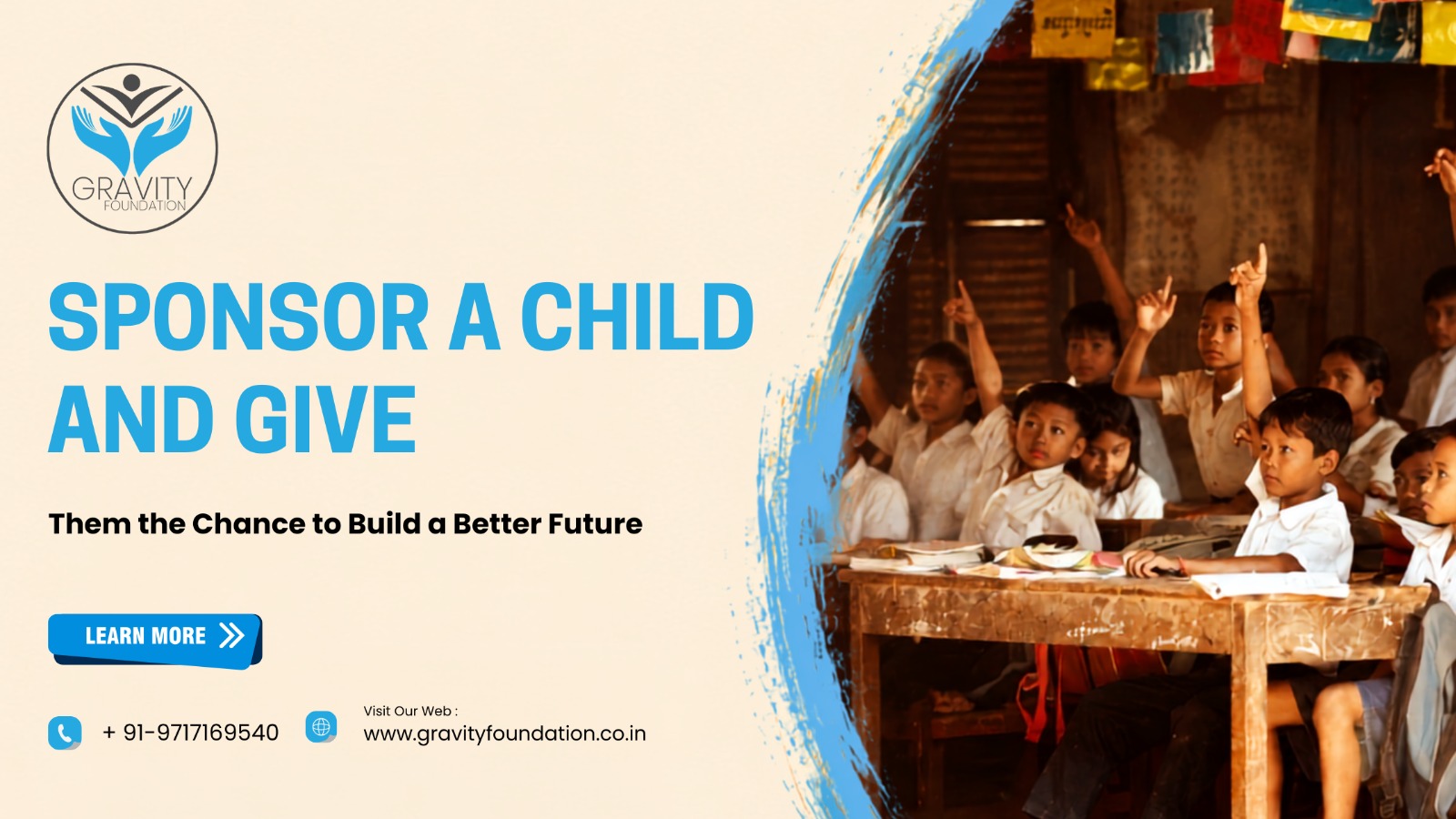
Sponsor a Child and Give Them the Chance to Build a Better Future
Walk through parts of Delhi, and you’ll see it — kids without shoes, kids who should be in school but aren’t, kids sleeping wherever they can find a corner. It’s not something people like to think about, but it’s real. And it’s exactly why the option to sponsor a child exists. It sounds like a small thing on paper. In a child’s actual life, it isn’t small at all. Here’s what it actually means and why it works better than most people expect.
Sponsor a Child and Give Hope a New Beginning
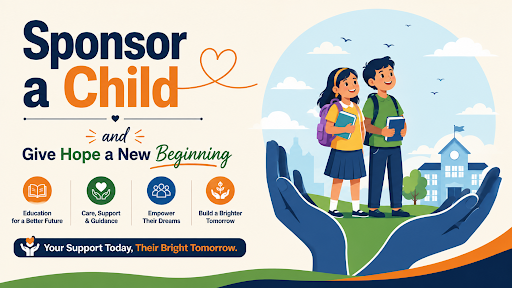
Here’s the thing — sponsoring a child isn’t really about writing a check. It’s about telling one specific kid, somewhere, that someone out there is paying attention to whether they eat, learn, and stay safe.
What does that support usually cover?
- School fees and books, so classes don’t get interrupted halfway through the year
- Regular meals, because no child learns well on an empty stomach
- Doctor visits, so small health issues get caught before they turn serious
- A safe place to sleep, away from the street
- Someone who checks in, so the child doesn’t feel invisible
None of these pieces work alone. Take away the food and the school fees don’t matter much. Take away the safe shelter and none of it sticks. That’s really the whole idea behind sponsorship — it covers the full picture, not just one slice of it.
A Helping Hand That Can Change a Child’s Journey
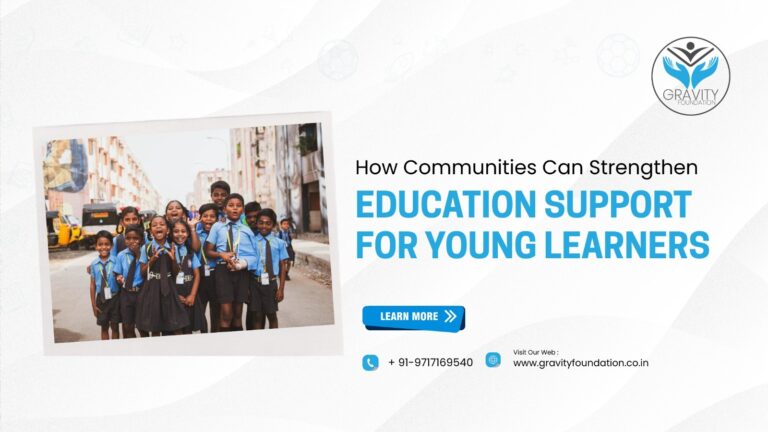
Something worth knowing upfront: child development isn’t a switch that flips overnight. It happens slowly, month after month, and it needs consistency more than anything else. A one-time donation helps for a week. Ongoing support helps for years.
What changes when someone stays involved long-term?
- Kids are far less likely to drop out mid-year
- Health problems get spotted early, not after they’ve gotten worse
- Confidence builds up slowly, instead of disappearing under stress
- Families start trusting the process again, which isn’t easy after years of struggle
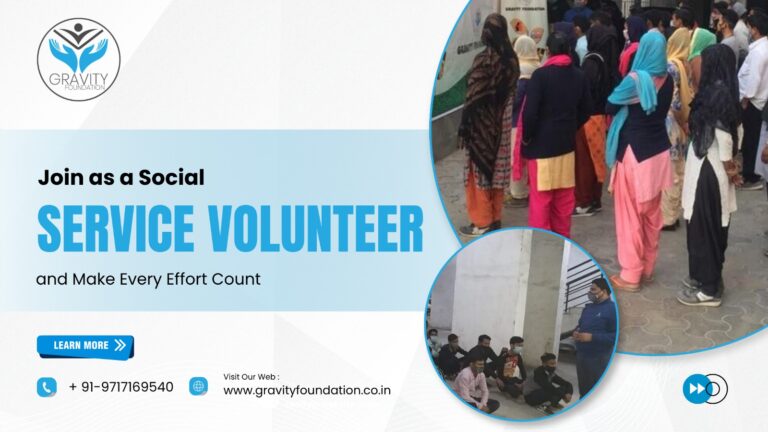
A lot of this groundwork gets handled by a social service volunteer team that actually shows up, checks in, and follows through. That’s really what stops money from just disappearing into a system — someone’s on the ground, making sure it lands where it should.
Providing Children With Opportunities to Learn and Grow
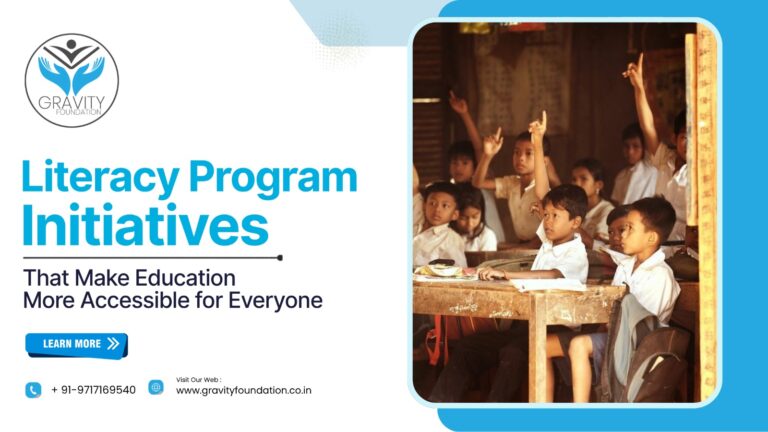
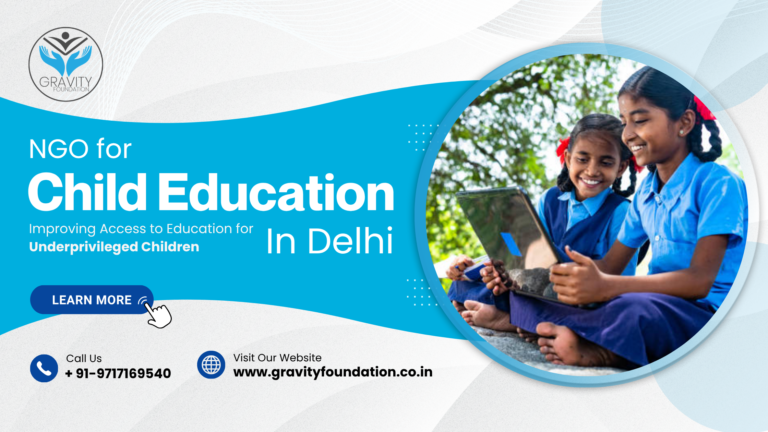
School is still the single strongest way out of poverty. Everyone knows that. The problem is money — plenty of families simply can’t afford it, no matter how badly they want their kids in a classroom. That gap is where an NGO for street children steps in.
Sponsorship tends to open up a few doors at once:
- Real classrooms, with real teachers and actual books
- Skill-based training that leads somewhere — an actual job later
- Sports and art, which do more for a kid’s confidence than people give credit for
- Mentors who stick around during the hard stretches, not just the good ones
Every part of this gets reviewed by the NGO child welfare committee, step by step, so nobody slips through the cracks. That oversight is honestly what makes the whole thing trustworthy instead of just well-intentioned.
FAQs
Some questions come up again and again, so here they are, answered straight.
- What does it cost to sponsor a child?
It varies, but even a modest monthly amount adds up quickly over a year - Where does the money actually go?
Straight into education, food, healthcare, and shelter — nothing vague about it - Do sponsors hear how the child is doing?
Yes, updates go out regularly - Is this a real, registered nonprofit organization?
Yes — fully registered, with every rupee tracked
Let’s Give More Children a Fair Chance
No kid should have to get through childhood completely on their own. That’s really what this comes down to. Choosing to sponsor a child isn’t some grand gesture — it’s a practical, steady way of saying one child’s future is worth investing in. Even small support adds up over time, and the earlier it reaches a child, the more difference it makes.
Ready to help a child build a better future? Reach out to Gravity Foundation and start sponsoring today.