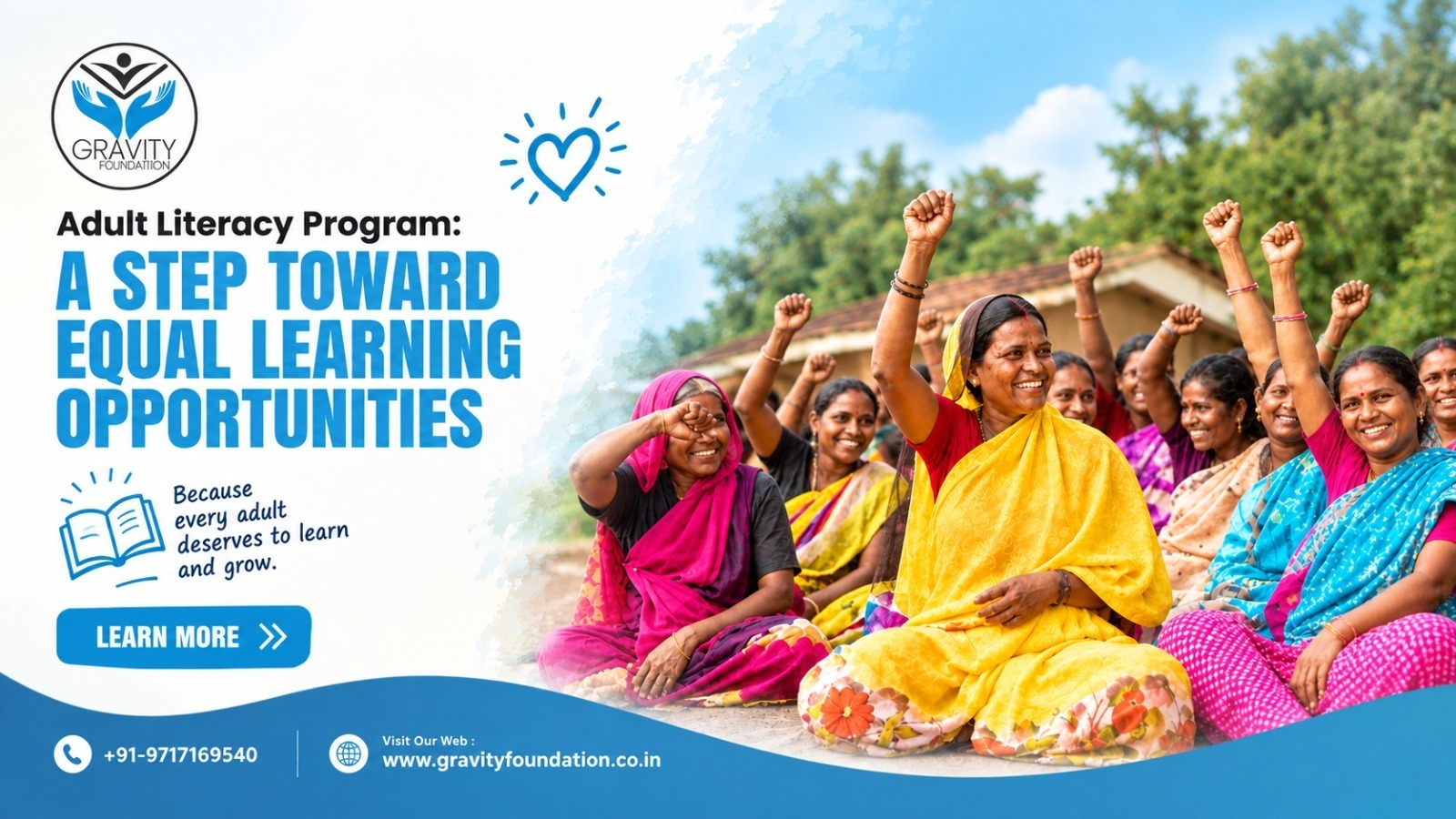
Adult Literacy Program: A Step Toward Equal Learning Opportunities
We often do things without even thinking about them. We read a WhatsApp message, check a bus number, sign a form, read a medicine label, or count money while shopping. These are small parts of everyday life. But for an adult who never got the opportunity to attend school, even these simple things can become a challenge.
Think about a mother who has spent most of her life taking care of her family. She knows how to manage a home, raise children, and handle responsibilities. But whenever a letter arrives or a form needs to be filled out, she has to ask somebody else for help. One day, she decides to learn.
She joins an adult literacy program. At first, reading even a few words takes effort. There are mistakes and plenty of practice. Slowly, she starts recognizing words. Then she learns to write her name. A few weeks later, she reads a short sentence without anyone helping her.
It may look like a small achievement, but for her, it means something much bigger.
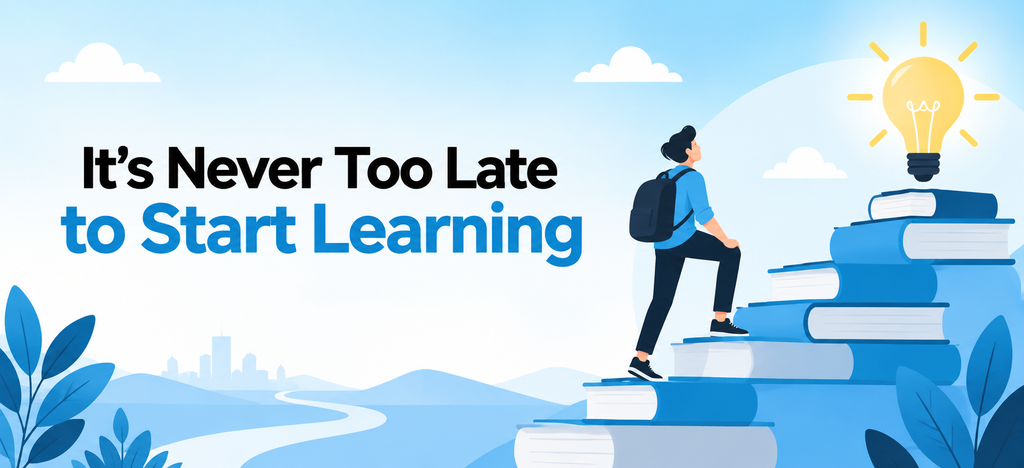
It’s Never Too Late to Start Learning
Education is usually linked with childhood. We think about classrooms, school bags, homework, and exams. But not everyone gets that opportunity at the right age.
Some adults leave school because of financial problems. Others have family responsibilities or simply never get the chance to attend school. Years can pass before they think about learning again.
That is where an adult literacy program can make a difference. It gives adults a chance to begin again without making them feel that they are too old to learn. There is no fixed age for discovering something new.
When Learning Helps With Real Life
A useful literacy program does not have to be complicated. Learning becomes much easier when it connects with things people deal with every day.
Adults can gradually learn to:
- Read names, signs, and common words
- Write their name and basic information
- Understand simple numbers and calculations
- Read messages on their mobile phones
- Understand bills, forms, and notices
- Follow basic written instructions
- Help their children with simple schoolwork
These may sound like ordinary skills. For someone who has always depended on others for them, they can bring a completely different sense of confidence.
Being able to read something independently can feel surprisingly empowering.
One Person’s Learning Can Reach a Family
Education rarely stays with just one person.
When a parent becomes more comfortable with reading, they may take greater interest in their child’s studies. Someone who learns basic calculations may feel more confident managing household expenses. A worker who understands written instructions may handle certain tasks without constantly asking for help.
This is why literacy has a place in community development. The change may start with one learner sitting in a small class, but the benefits can slowly reach the family and the people around them.
The Right Environment Makes Learning Easier
Starting something new as an adult is not always comfortable. Some people may feel nervous about making mistakes. Others may hesitate because they think everyone else will learn faster. A little patience can change that experience.
A supportive program should offer:
- Simple lessons: Familiar examples are easier to understand.
- Patience: Every learner has a different pace.
- Encouragement: Small improvements can keep someone motivated.
- Flexible support: Adults have work and family responsibilities too.
- A respectful space: Nobody should feel embarrassed about learning.
Sometimes, one encouraging person is enough to convince a learner to return for the next class.
You Can Be Part of Someone’s Journey
This is where NGO social work can have a genuine impact. Supporting adult education is not limited to teaching lessons. Volunteers can help with awareness activities, learning sessions, educational materials, and community outreach.
You do not have to be a professional teacher to contribute. If you want to join NGO initiatives, you can offer your time, skills, or support in different ways.
Even helping someone practice a few words can make learning feel less frightening.
A Small Beginning Can Change a Life
Literacy is about much more than reading and writing. It can help people understand information, make everyday decisions, and feel more independent. For a charity organization, supporting education means giving people a skill they can continue using for years.
Gravity Foundation works to create meaningful opportunities for people and communities that need support. Through an adult literacy program, such efforts can help adults gain confidence, develop useful skills, and take greater control of everyday situations.
Give Someone the Chance to Learn
Not everyone gets the same start in life, but everyone deserves another opportunity. Support Gravity Foundation; volunteer your time or contribute to meaningful NGO social work. Your support could help someone read their first sentence, write their name confidently, or discover that it is never too late to learn.