The Role of NGOs in New Delhi: Ensuring Right to Equality for the Underprivileged
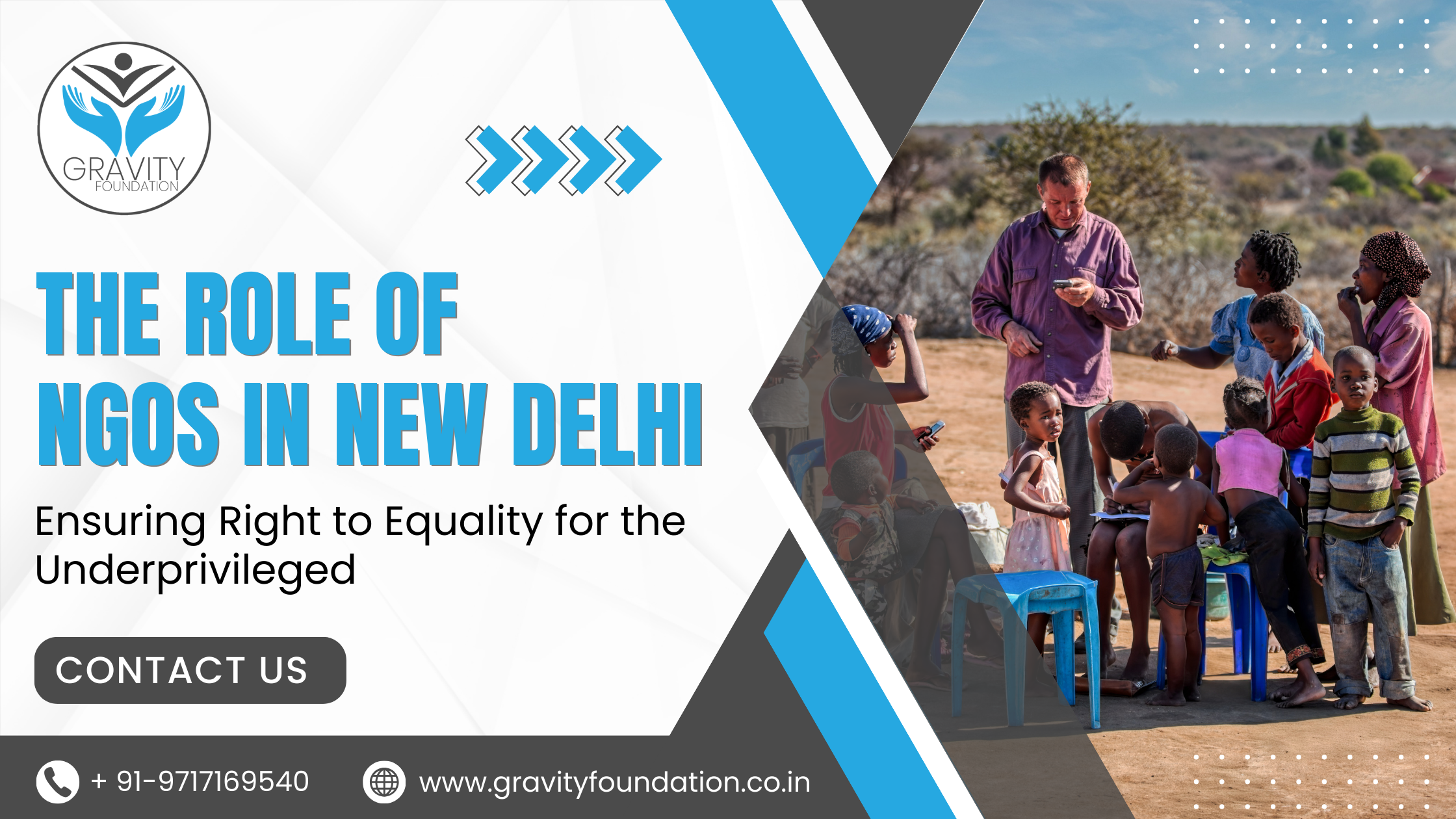
In a busy and growing city like New Delhi, many people still do not get their fundamental rights. Some live in comfort, but others face poverty and social problems every day. Because of that, the gap between the rich and the poor keeps getting wider. However, NGOs in New Delhi are working hard to reduce this gap. They help people get the right to equality by supporting child education, gender equality, and women empowerment in both urban and rural areas. One such NGO, the Gravity Foundation, is making strong efforts to bring change. It works to create equal chances for everyone through education, awareness, and support.
Understanding the Right to Equality in India
The right to equality is one of India’s most important fundamental rights. It means every person has the same rights and fair treatment, no matter their background. Because of that, it helps build a fair and equal society. Below are some key points to understand it better:
- Equality before the Law: Everyone is equal before the law. So, no one is above it, and everyone gets equal protection.
- No Discrimination: The law does not allow any bias based on religion, race, caste, gender, or birthplace.
- Equal Opportunities: All people should have the same chance to study, work, and grow in life.
- Gender Equality and Empowerment: Women and girls should get the same respect, education, and job chances as men.
- Support for Weak Groups: The government and NGOs together run programs to uplift poor urban and rural families.
- Social Justice for All: Every person must feel included and valued in society.
So, the right to equality builds the base of peace, fairness, and progress for the country.
Challenges Faced by the Underprivileged in Achieving the Right to Equality
Even though everyone has the right to equality, many underprivileged people face daily struggles. These problems stop them from living a fair and equal life. Because of that, they stay stuck in poverty and inequality. Some main challenges include:
- Lack of Quality Education: Many children in urban and rural areas cannot go to school because of money problems or no nearby schools.
- Gender Discrimination: Girls and women still face unfair rules at home and work. So, they do not get equal chances.
- Economic Problems: Poor families often cannot afford food, education, or healthcare, which keeps them weak.
- Social Bias and Prejudice: Many people are still judged by caste or religion, which limits their rights.
- Lack of Awareness: Many do not know their fundamental rights or how to get help.
- Few Job Opportunities: Without proper skills, the poor struggle to find good work.
Because of these issues, the dream of full right to equality is still far away for many people in New Delhi.
How NGOs Promote Equality Through Education and Awareness
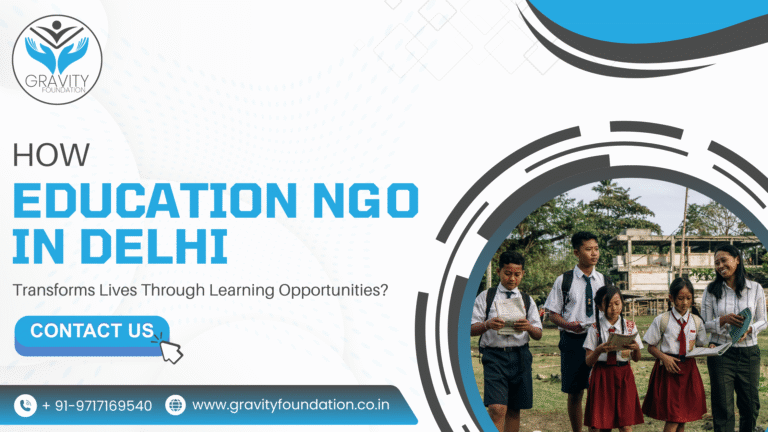
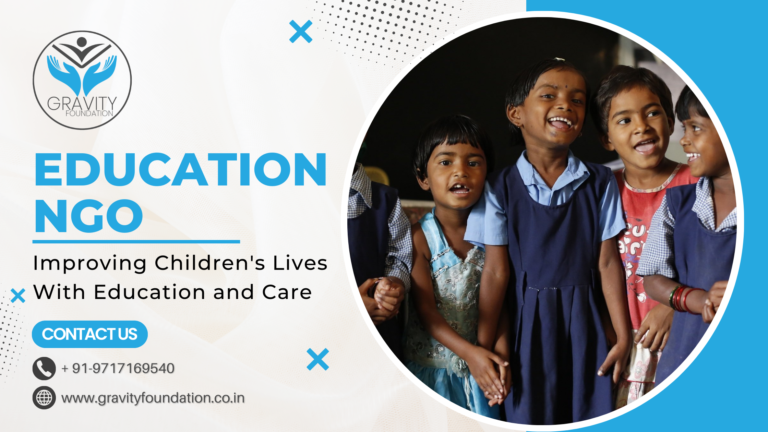
NGOs play a very big role in making society equal. They help poor families learn and grow. The Gravity Foundation, for example, works to make sure that everyone, especially women and children, gets the same chance to learn and live better. Because of that, it focuses on child education by teaching reading, writing, and life skills to kids from poor homes. This helps them dream bigger and build a better future. Also, the Gravity Foundation runs many women empowerment programs.
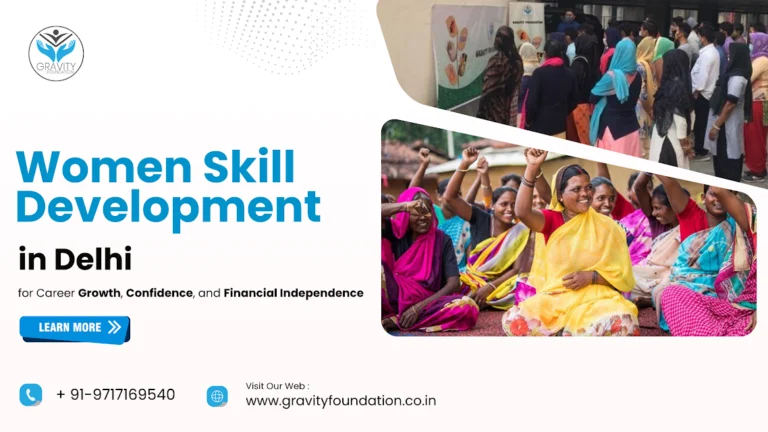
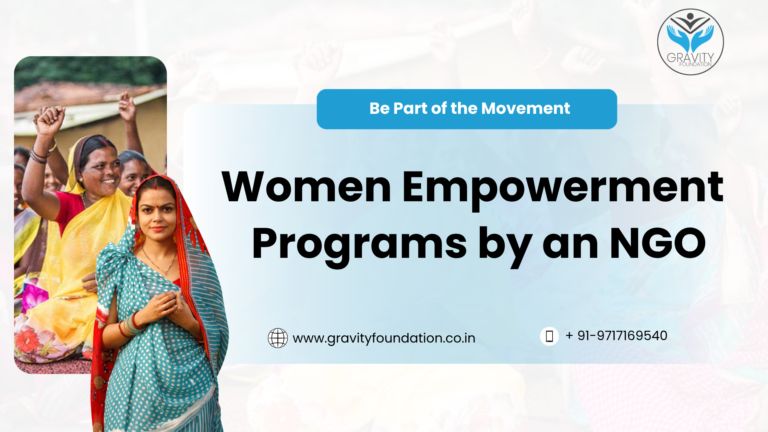
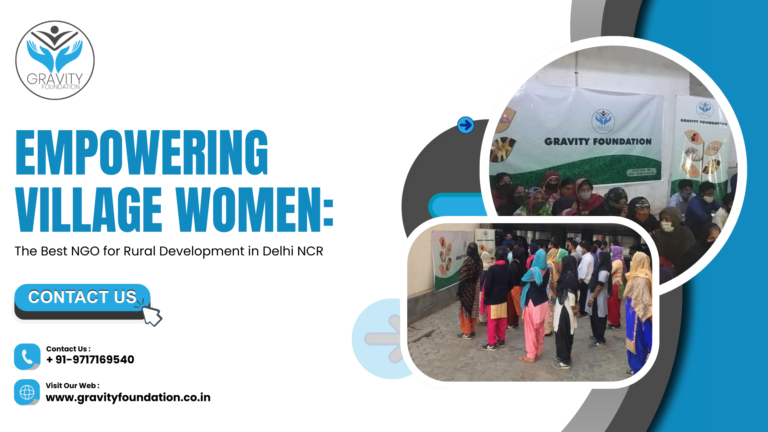
These include skill training, workshops, and awareness drives. So, women can earn money, support their families, and live with confidence. In addition, the NGO spreads awareness about gender equality and fundamental rights in urban and rural communities. They teach people how equality helps society grow stronger. Because of these efforts, NGOs make people more aware, educated, and independent. As a result, the right to equality slowly turns from an idea into a reality for many.
Collaborations Between Government and NGOs
For real change to happen, the government and NGOs must work together. Both have a strong role in making the right to equality reach everyone. Because of that, many programs succeed in helping poor people. Some key collaborations include:
- Educational Support: Government schemes like Sarva Shiksha Abhiyan get help from NGOs such as the Gravity Foundation, which finds poor children and helps them go to school.
- Women Empowerment Projects: Joint programs teach women new skills and promote gender equality, helping them earn money.
- Awareness Campaigns: NGOs hold drives in urban and rural areas to explain fundamental rights and the value of the right to equality.
- Community Growth: Together, they set up schools, health centers, and training programs to help local families.
- Better Policy Support: NGOs share real field data, so the government can make stronger social policies.
- Child Safety and Learning: Both work together to ensure safe spaces and quality education for children.
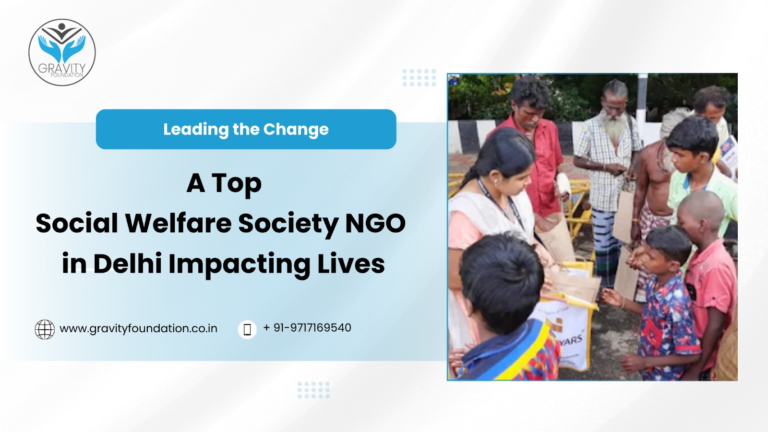
Because of these partnerships, social work becomes more powerful. The Gravity Foundation continues to join hands with government bodies to make sure the right to equality truly reaches every corner of society.
Key Points to Remember:
The right to equality is not just a law; it is a promise for fairness and justice. But it needs teamwork from people, NGOs, and the government. Because of that, education and awareness become tools for lasting change. The Gravity Foundation is leading this change by supporting child education, women empowerment, and gender equality in urban and rural areas.
So, if you wish to see a fair and equal society, support the Gravity Foundation today. Together, we can make the right to equality real for everyone and bring light to many lives.